
Loopholes in Contract- A Hidden Pathway to Lawsuit
Loopholes arise when contracts are unclear or incomplete, making them vulnerable to challenges. This article highlights common pitfalls and ways to avoid them.
Harshita Singhal
9/3/2025
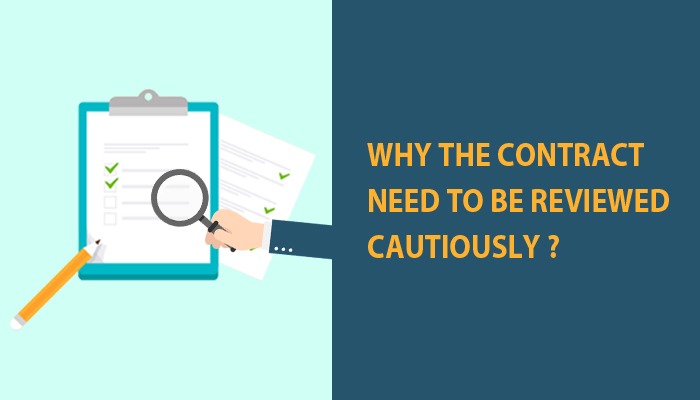
Contracts are designed to create clarity, but when they contain loopholes, they can do the exact opposite. A loophole is essentially a gap, ambiguity, or oversight in drafting that allows one party to interpret the terms in their favour—often at the other’s expense.
Common loopholes arise from:
Vague language (“reasonable time,” “best efforts”) that leaves room for interpretation.
Incomplete clauses where key obligations, timelines, or remedies are not clearly defined.
Contradictory provisions that create confusion over which term prevails.
Silence on contingencies, such as unforeseen events or early termination.
These gaps become breeding grounds for disputes. When parties disagree on interpretation, the matter often escalates into Litigation or Arbitration; costing time, money, and reputation.
The takeaway is simple: a poorly drafted contract is an invitation to a lawsuit. Clear, precise, and comprehensive drafting—with proper legal review—closes the door on loopholes and minimizes the risk of conflict.
Contracts aren’t just about legal language—they’re about trust, clarity, and protection. The tighter your contract, the lesser the room for confusion, and the farther you stay from costly disputes.
Here’s the golden rule: “Don’t leave space for “Interpretation”, Leave space for growth.”
⚖️ Entering a Contract? Read This Before You Sign on the Dotted Line!!!
Here are some easy tips to avoid turning your contract into courtroom drama:
1. Say It Like You Mean It
Don’t use words like “reasonable time” or “best efforts.” What’s “reasonable” for you might be “forever” for someone else. Be specific—dates, numbers, actions.
2. Money Talks—So Make It Clear
Write down how much, how, and when. Also, what happens if someone “forgets” to pay. (Spoiler: it happens a lot!)
3. Breakup Without Tears
Include an exit clause. Every contract deserves a graceful “we tried, but it’s not working” option—just like relationships.
4. Plan for the “Oh No!” Moments
Pandemics, strikes, or your supplier vanishing into thin air —plan for what happens if life gets messy.
5. Decide Where the Fight Will Happen
Arbitration? Mediation? Or straight to court? Choose the battleground before the battle, not after.
6. No Double Standards (Literally)
Check that one clause isn’t secretly fighting another. Contracts should be a team effort, not an internal war.
7. Read Before You Sign
Yes, really. That fine print isn’t just decoration. And if you don’t get it, let a lawyer decode it.
Bottom line: A boringly clear contract today saves you from an exciting (and expensive) lawsuit tomorrow.
Contracts don’t fail because of big mistakes. They fail because of the “small stuff” that gets missed in drafting and review.
That’s where solid paralegal support makes all the difference.
Would love to hear from lawyers—what’s the one task you wish you could outsource more often?
PARAMOUNT LEGAL SERVICES
Expert legal services for real estate compliance.
Contact US
Support
info@paramountlegalservices.com
+91-9050-62-6500
© 2025. All rights reserved.